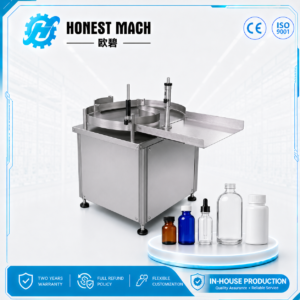
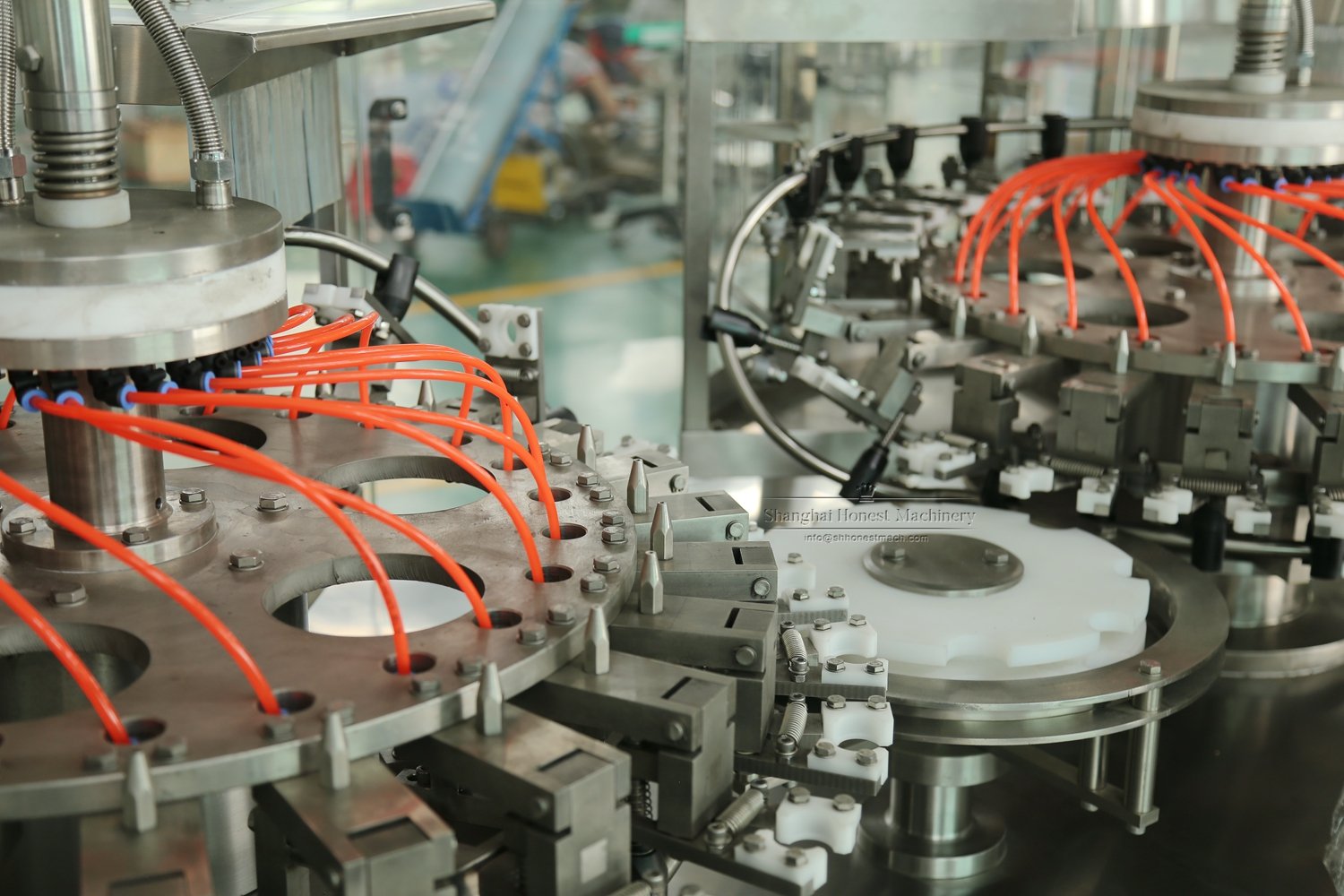
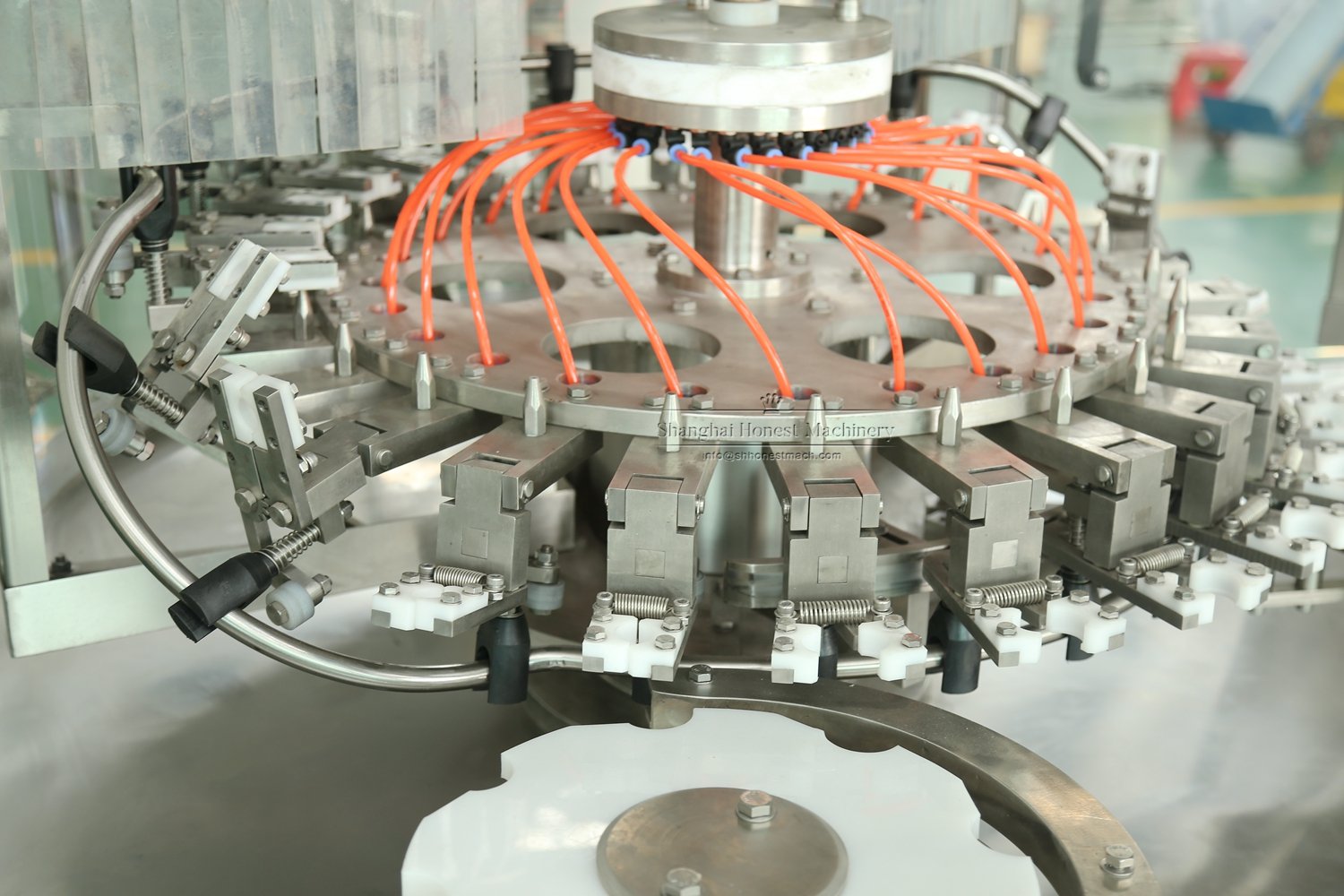
Rotary type bottle washing machine

Automatic Rotary Bottle Washing Machine for Glass and PET Bottles

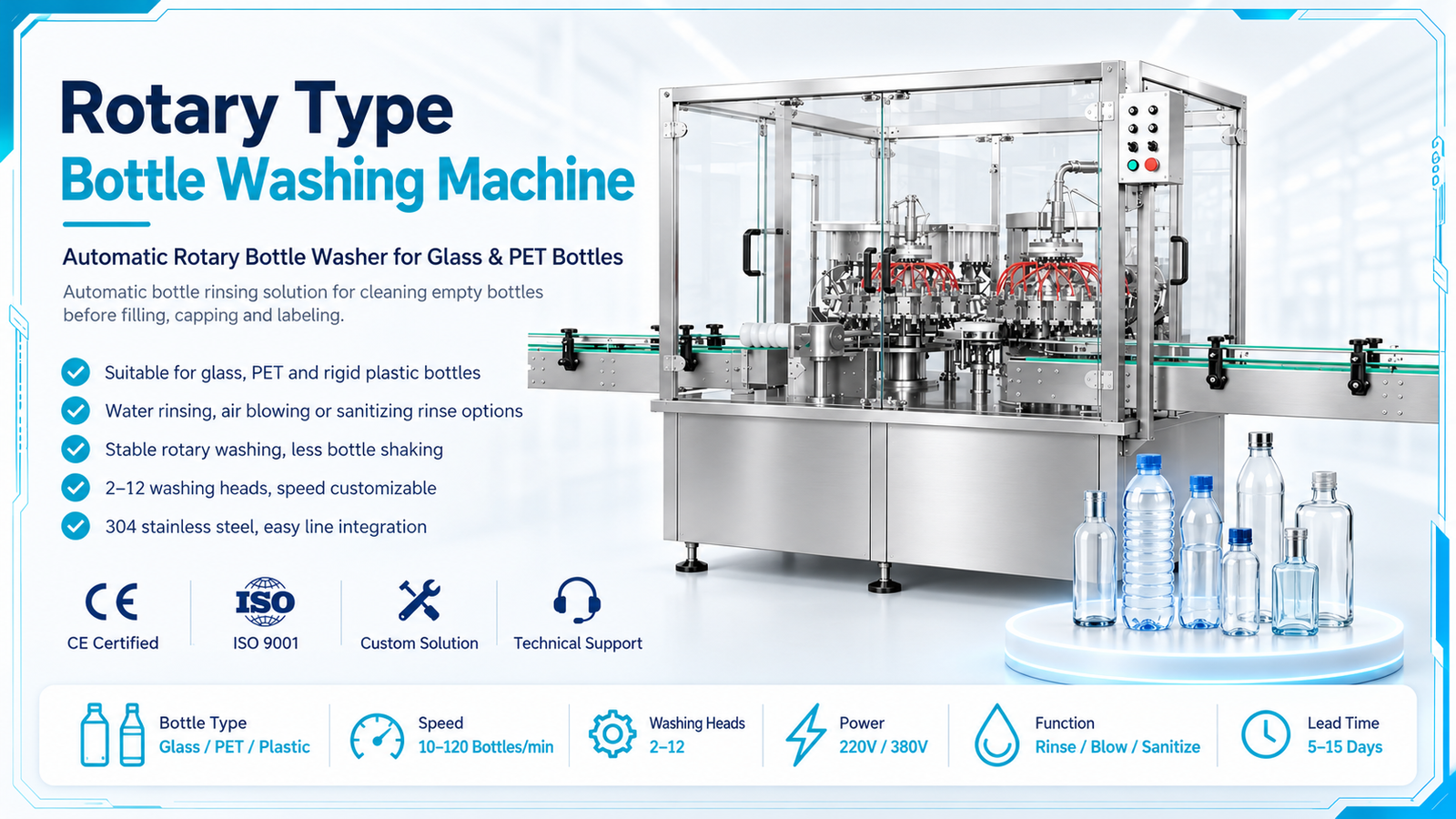
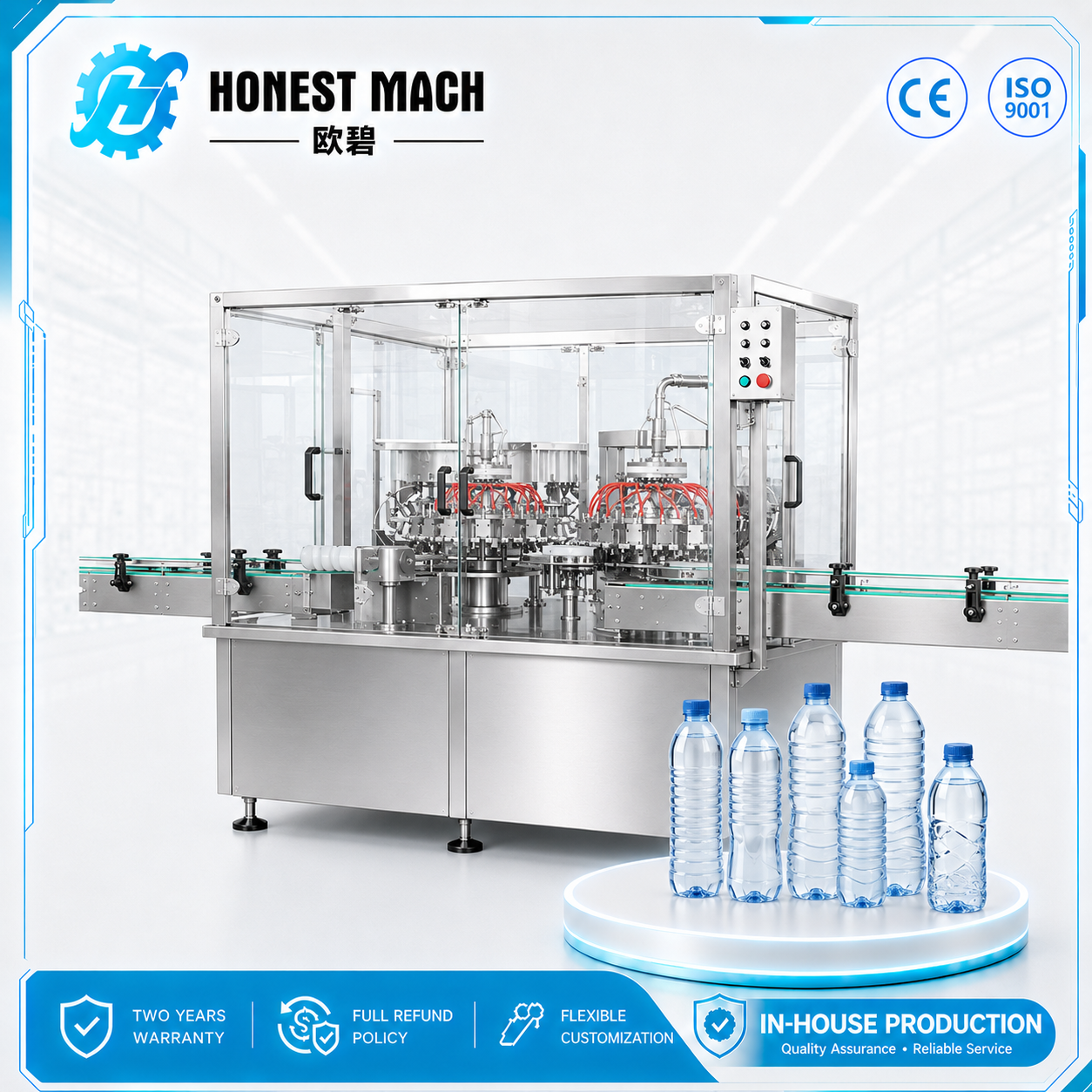
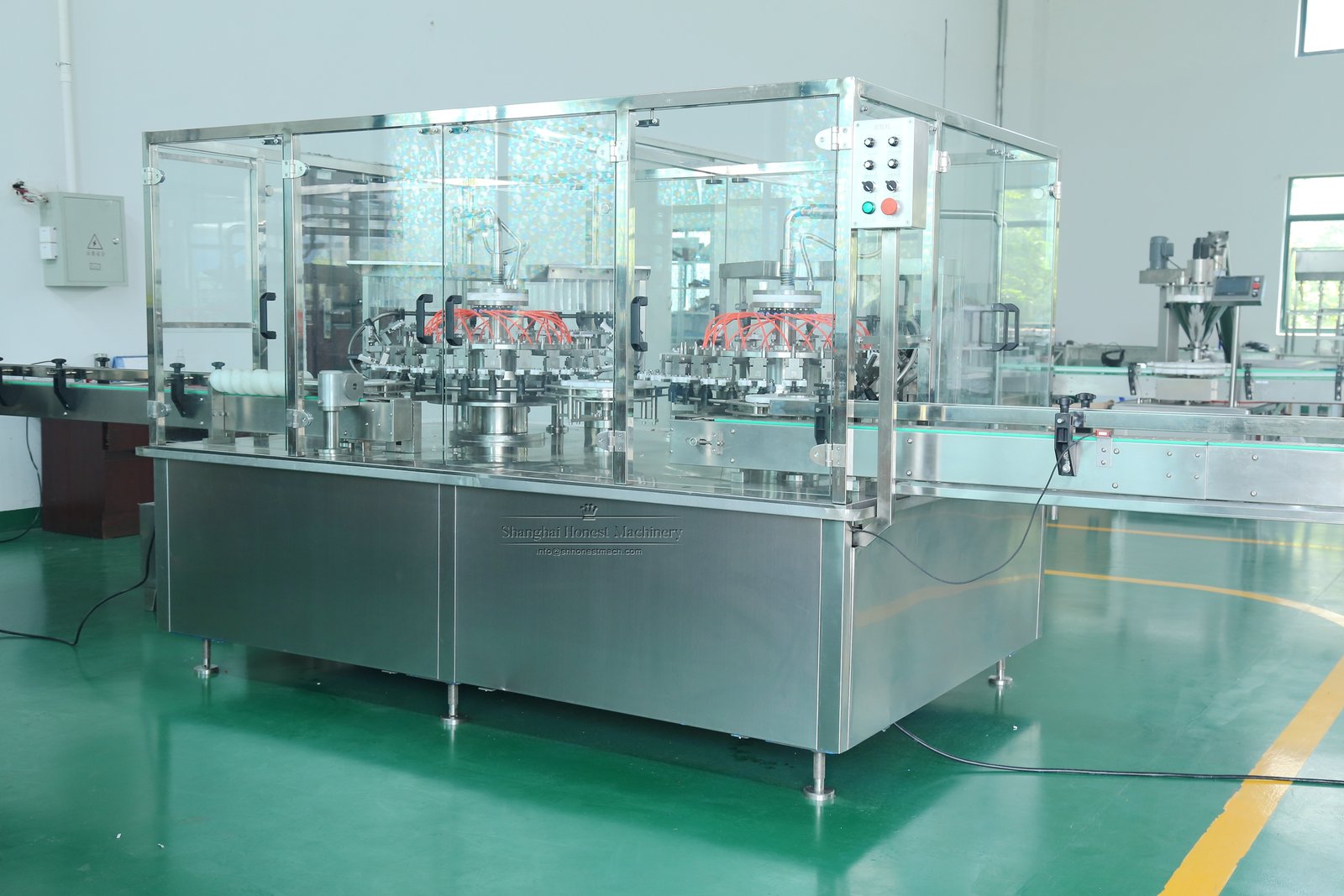
This rotary bottle washer is designed for automatic cleaning and rinsing of empty bottles before liquid filling, capping and labeling. It helps remove dust, particles and light contamination from the inside of glass bottles, PET bottles, plastic bottles and other rigid containers before the filling process.

The machine can be configured for water rinsing, compressed air blowing, sanitizing liquid rinsing or combined cleaning according to your bottle type, bottle mouth diameter, cleanliness requirement and production speed. The rotary structure helps keep bottles stable during washing and allows continuous operation for automatic bottling lines.

Key Advantages:
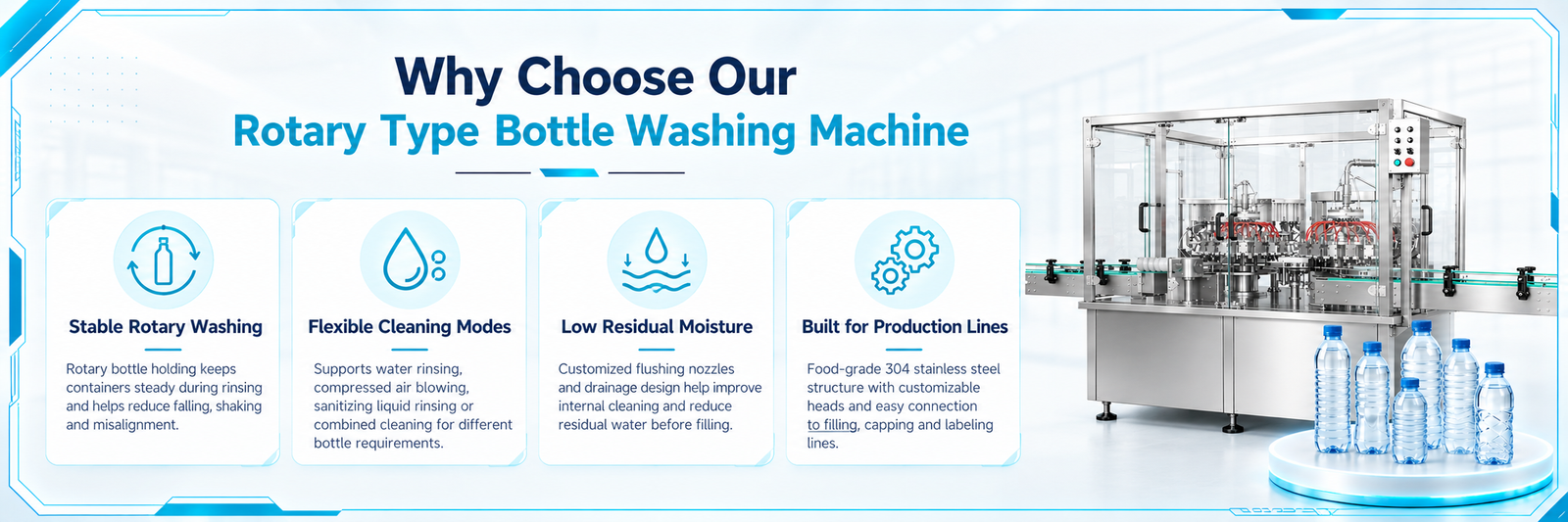
  • Helps remove dust, particles and light contamination from empty bottles before the filling process.
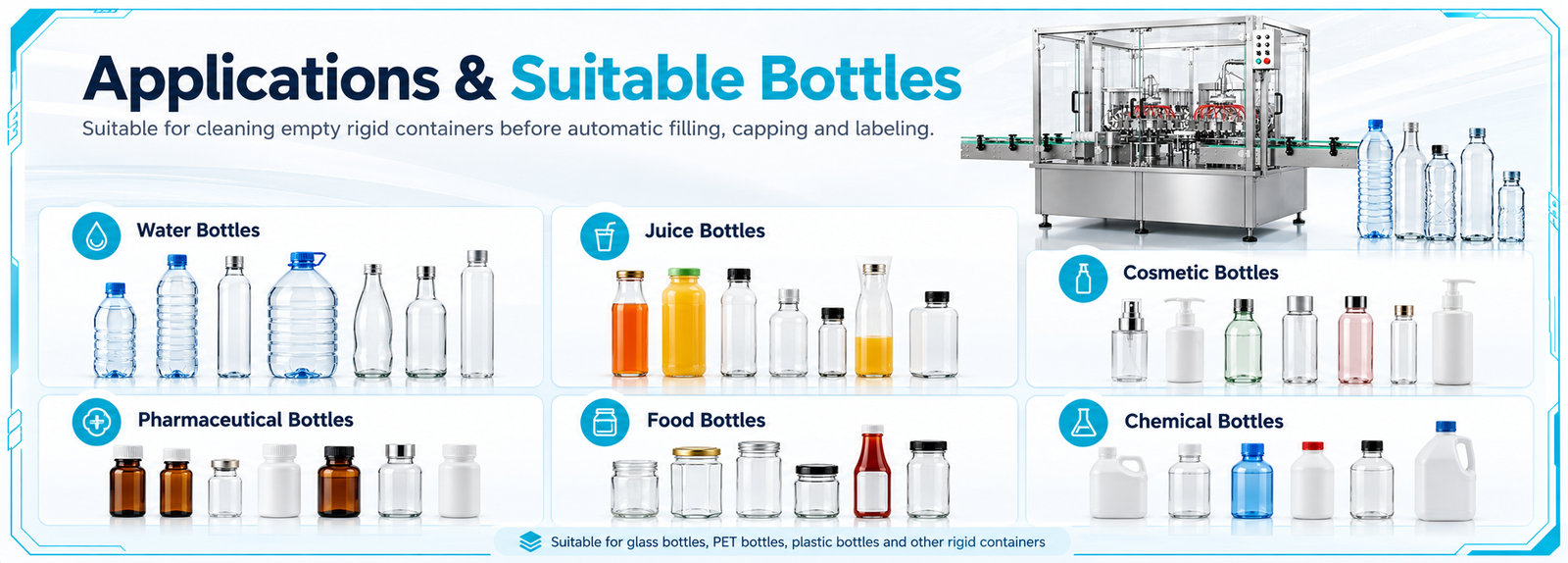
  • Works with water bottles, juice bottles, cosmetic bottles, pharmaceutical bottles, chemical bottles and small rigid containers.
  • Can be customized for water rinsing, air blowing, sanitizing liquid rinsing or combined cleaning.
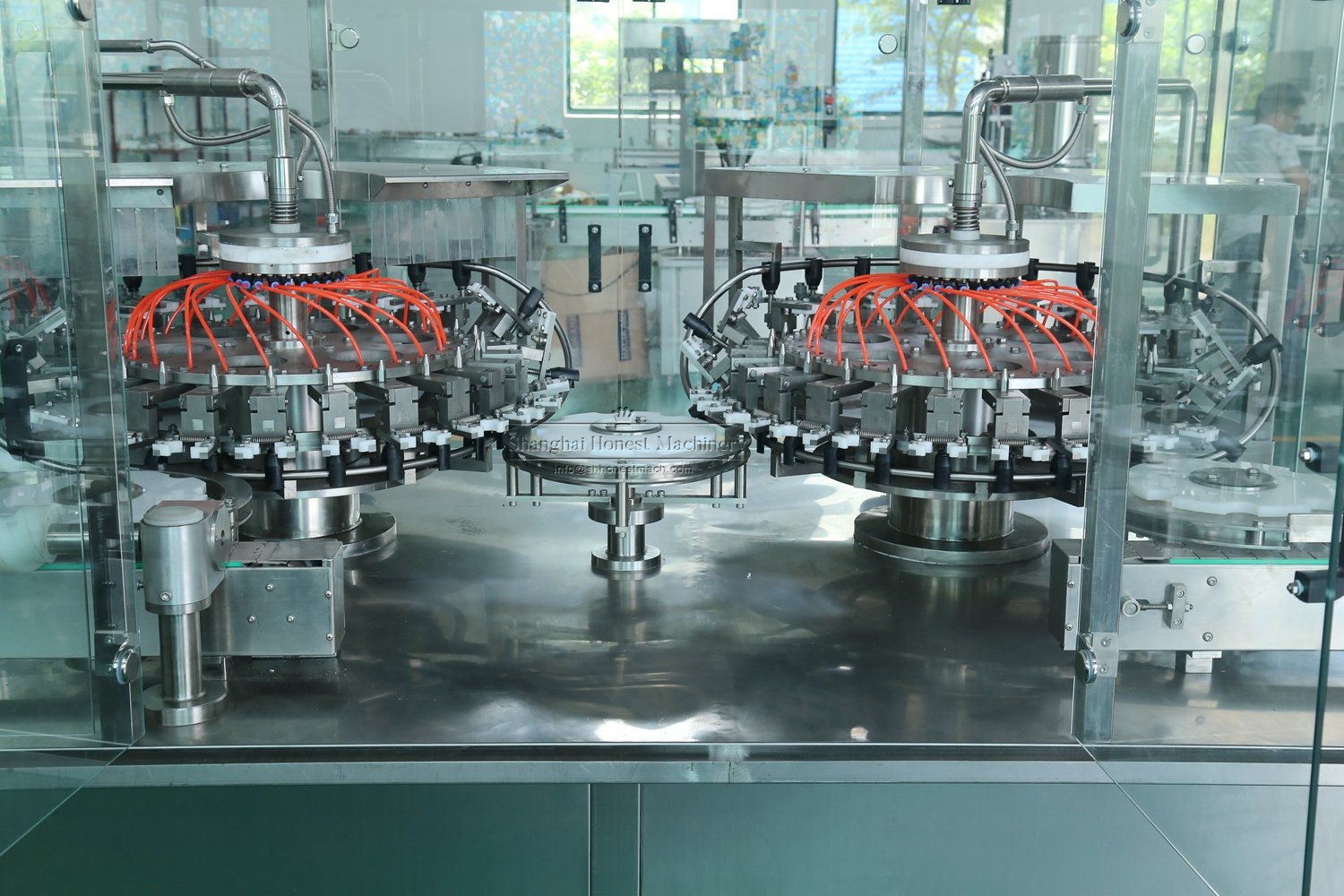
  • Rotary bottle holding and positioning design helps reduce bottle falling, shaking and misalignment during washing.
  • Customized nozzles and drainage structure help reduce residual water before filling, capping or labeling.

Facebook
LinkedIn
Pinterest
WhatsApp

This automatic bottle washing machine can connect with bottle unscrambler, filling machine, capping machine, labeling machine, coding machine and packing table to build a cleaner automatic bottling line.

Suitable for: glass bottles, PET bottles, plastic bottles, water bottles, juice bottles, cosmetic bottles, pharmaceutical bottles, e-liquid bottles, essential oil bottles, food bottles and chemical bottles.

  • Two years warranty
  • 100% refund policy
  • HS code:8422303090
  • Production time:5-15 days
Weight 520 kg
Dimensions 1780 × 1420 × 1890 cm
Filling nozzles

2 heads, 4 heads, 6 heads, 8 heads, 10 heads, 12 heads

Automatic Rotary Type Bottle Washing Machine
Rotary Bottle Washing Machine Features and Advantages
Rotary Bottle Washer Applications and Suitable Bottles

Rotary Type Bottle Washing Machine

Working video:

What we can offer you:

  • 100% Refund Policy

    If the quality is poor or it can’t run your product, we guarantee a 100% full refund for your peace of mind

  • Two years warranty

    Any equipment purchased from us comes with a two-year warranty.we provide free replacements and cover shipping for parts under 10kg damaged due to quality issues, not deliberate damage

  • Attentive after-sales service

    We promise: all equipment purchased from us is backed by comprehensive after-sales service and lifetime benefits.

  • Timely production and delivery

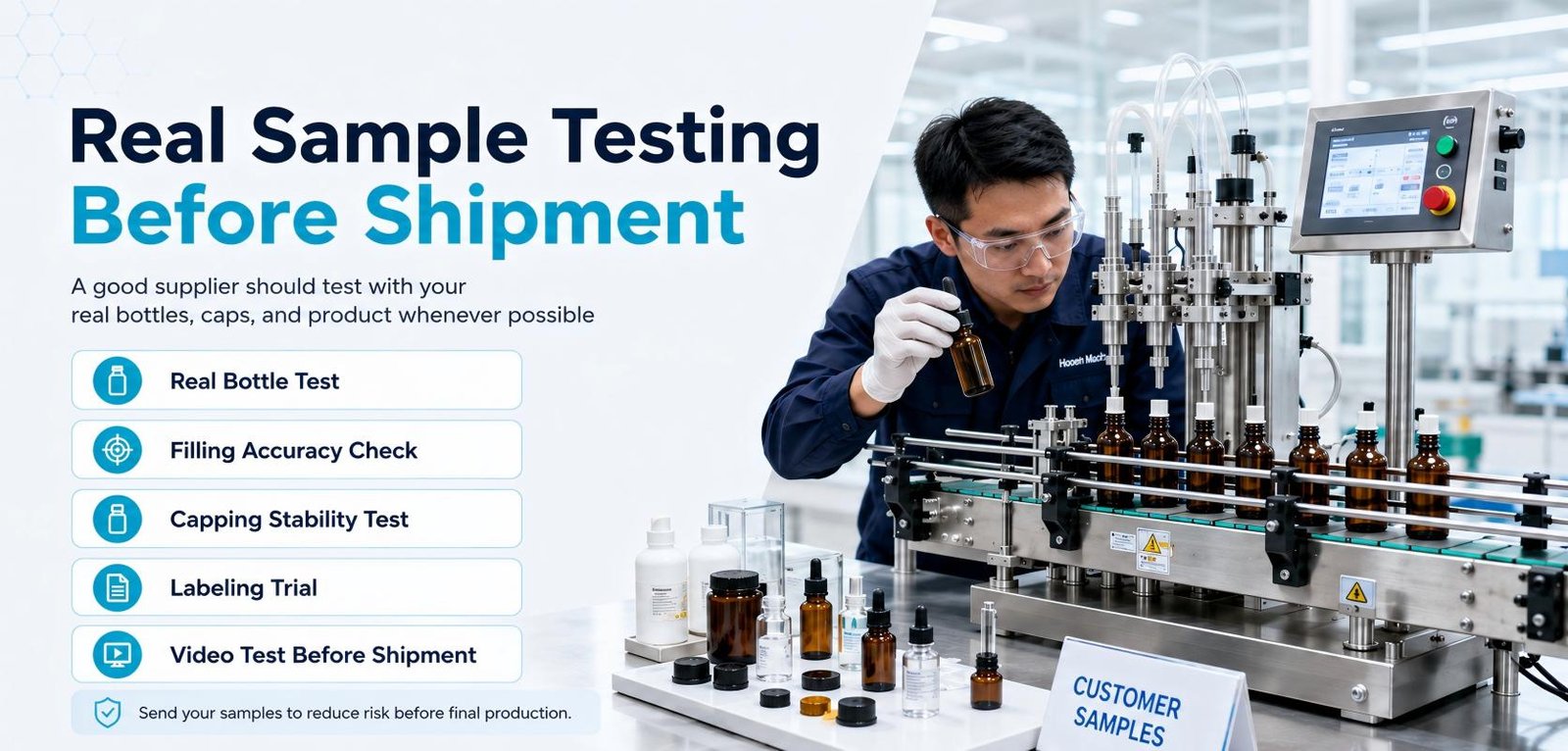
    We oversee the entire process from receiving samples to design and production, providing timely photos and videos to showcase the entire process to ensure the efficiency of equipment production and timely delivery

Parameter:

  • Model: Rotary type bottle washing machine
  • Packaging type:Jars,Bottles etc(can be customized by customer’s containers)
  • Packaging material:Plastic,Glass,Metal etc
  • Speed:10-120 bottles per minute(customized)
  • Power supply:1 phase, 220V 50/60Hz or 3 phase, 380v 50/60Hz(can be customized)
  • Weight:350KG
  • Total dimension(Diameter): 1350mm*1050mm*1680mm(can be customized)
contact_us_honest_machinery

Related Products:

FAQ:

A rotary washer holds and indexes bottles around a rotating washing section, while a linear rinser moves bottles through cleaning stations in a straight-line layout.

A rotary design is particularly useful when the project needs stable bottle positioning, multiple washing heads and continuous medium-to-high-speed operation. Your machine can be configured with 2–12 washing heads and approximately 10–120 bottles/min depending on the bottle and cleaning process.

A linear machine can be simpler for lower-speed projects, while rotary equipment generally becomes more attractive when consistent positioning and higher throughput are priorities.

The right choice should therefore be based on actual bottle dimensions, required rinse stages and target output—not only machine footprint.

No. Rinsing, sanitizing and sterilizing are not the same process.

A rotary bottle washer can remove dust, loose particles and light contamination, and it can also be configured for sanitizing-liquid rinsing. However, ordinary bottle washing should not automatically be described as sterilization.

Where pharmaceutical, aseptic or microbiological performance is required, the complete process must be validated according to the customer’s hygiene standard. A bottle that looks clean—or even dry—is not necessarily sterile. Current industry guidance makes the same distinction between ordinary rinsing and validated microbiological treatment

This is particularly important when preparing equipment specifications for regulated products.

It is primarily designed for new empty bottles before filling, where the typical objective is to remove dust, particles and light contamination. That is also how your current product page defines the machine.

Returned bottles may contain dried product, labels, adhesive, oil, biological residue or other difficult contamination. A normal rinse cycle should therefore not automatically be assumed to clean them sufficiently.

Returned-container projects may require additional processes such as soaking, detergent washing, brushing, higher-temperature cleaning or inspection/rejection stations. Industry bottle-rinsing guidance likewise warns that a simple automatic rinser should not be assumed suitable for heavily soiled returned containers.

So for this product page, I recommend positioning it as a pre-filling bottle washer, not a reusable-bottle deep-cleaning machine.

Bottle holding is critical because the bottle must remain accurately positioned while it is turned and rinsed.

Your machine uses a rotary clamping and positioning structure designed to improve bottle alignment and make bottle turnover more stable. The clamping system should be matched to the neck diameter, bottle height, bottle weight and material.

For fragile glass bottles, excessive clamping pressure should be avoided. Other commercial bottle washers similarly use adjustable or spring-type bottle-neck clamps so different neck sizes can be held securely while reducing the risk of damage

For unusual glass bottles, the safest approach is to send actual samples before manufacturing and include repeated clamping/turnover tests during FAT.

That depends on what happens after washing and on the hygiene standard of the finished product.

Different projects may use:

Potable water → Purified water → Demineralized water → Higher-grade final rinse

For a normal beverage or food line, the required rinse-water specification may be very different from a pharmaceutical project. Some pharmaceutical rotary washers therefore use multiple stages such as recirculated water, fresh demineralized water and a final air stage rather than using the same water source throughout the machine.

When specifying the machine, the customer should ideally provide:

available water source + required final bottle cleanliness + whether water may remain before filling + applicable production standard.

This allows the rinse circuit to be designed around the real process instead of simply specifying “water washing.”

Let’s start this journey together!

Revolutionize your production with our bottling machines!Share your needs and we’ll be in touch with a tailored quote within 48 hours. 

SEND BELOW INQUIRY

"Reach out for a quote! We'll reply with specifics within 24 hours."

Let's have a chat