
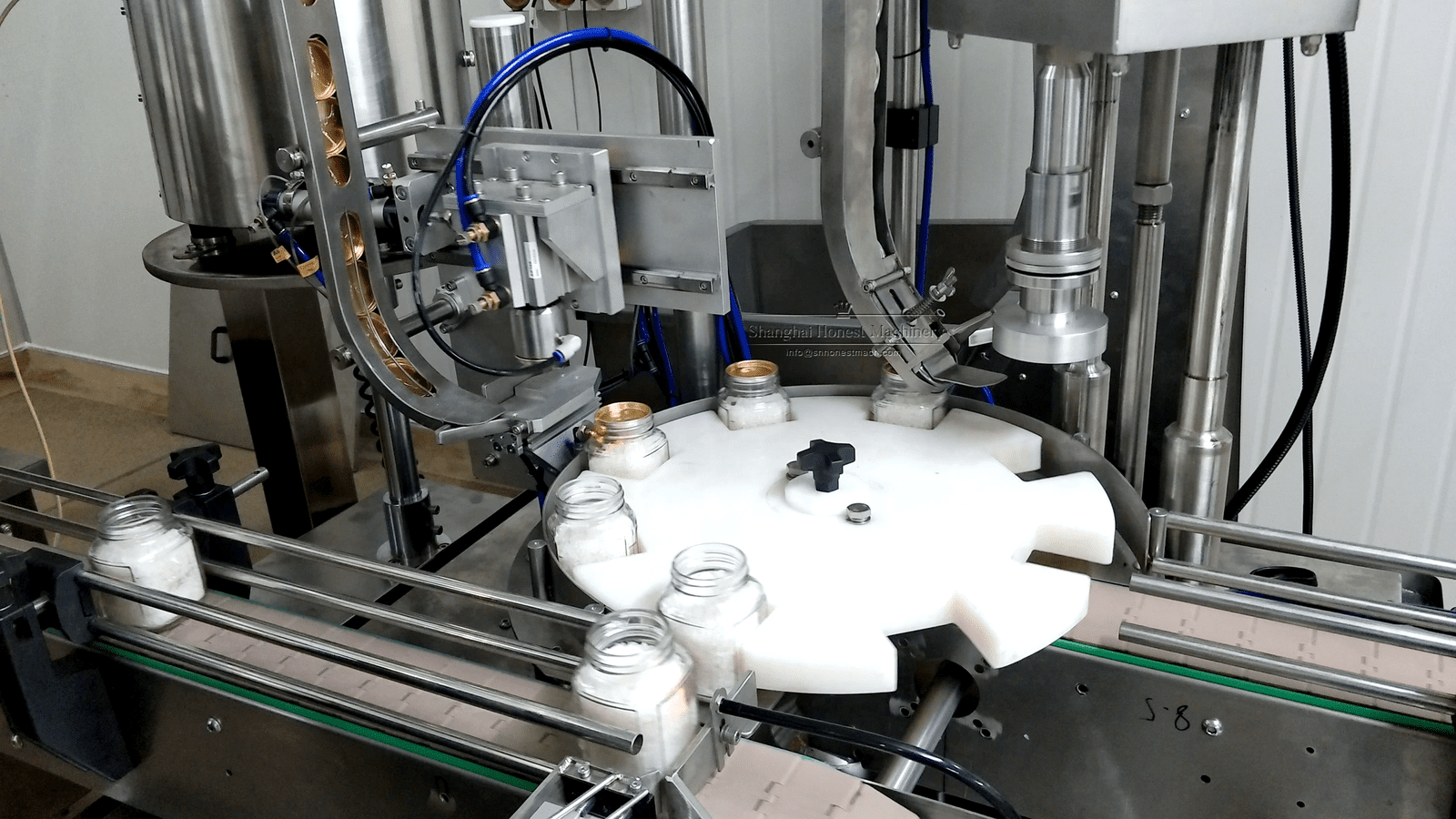
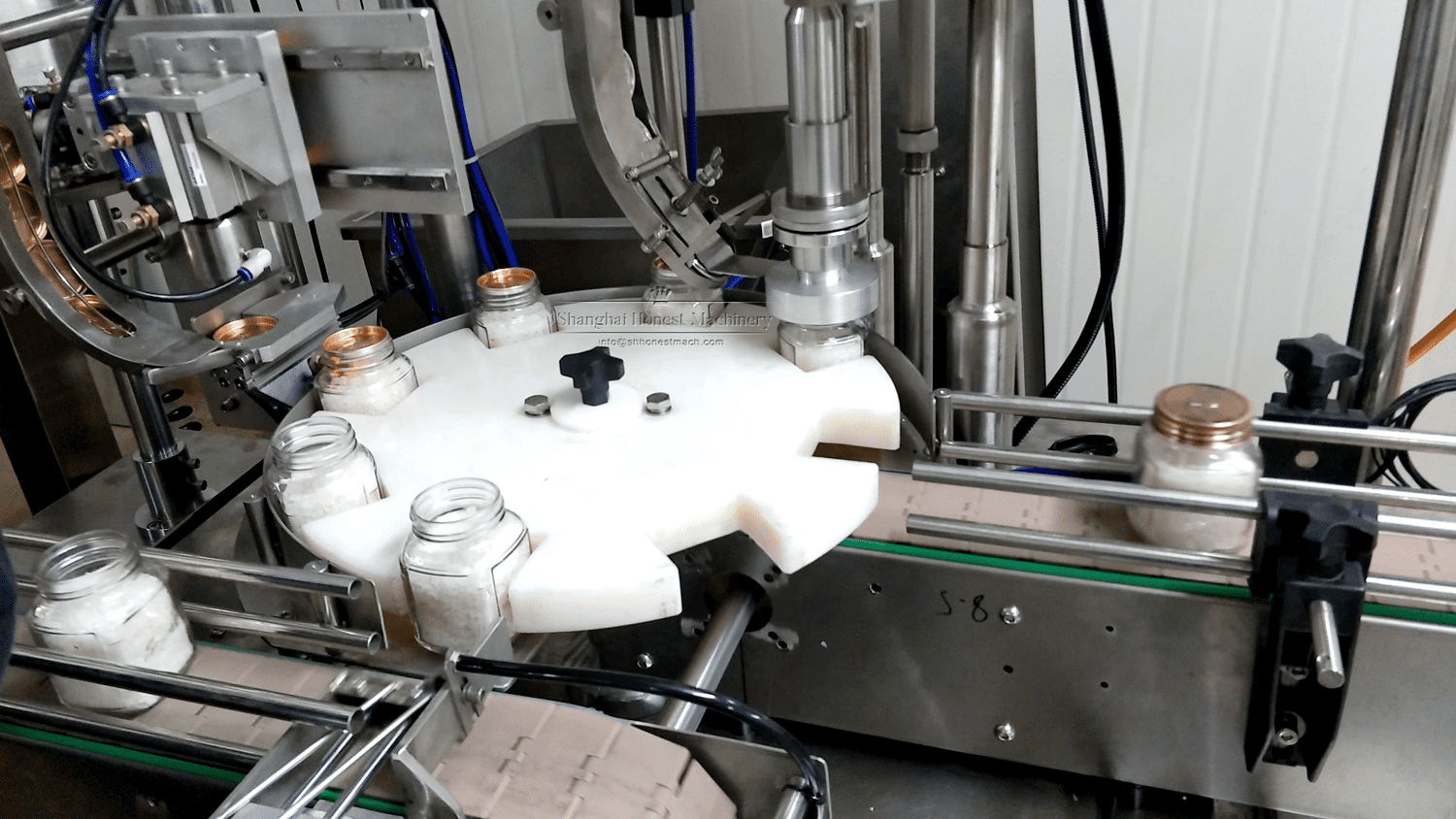
Automatic Glass Bottle Salt Filling Machine
Salt Filling Machine for Glass Bottles | Multihead Weigher
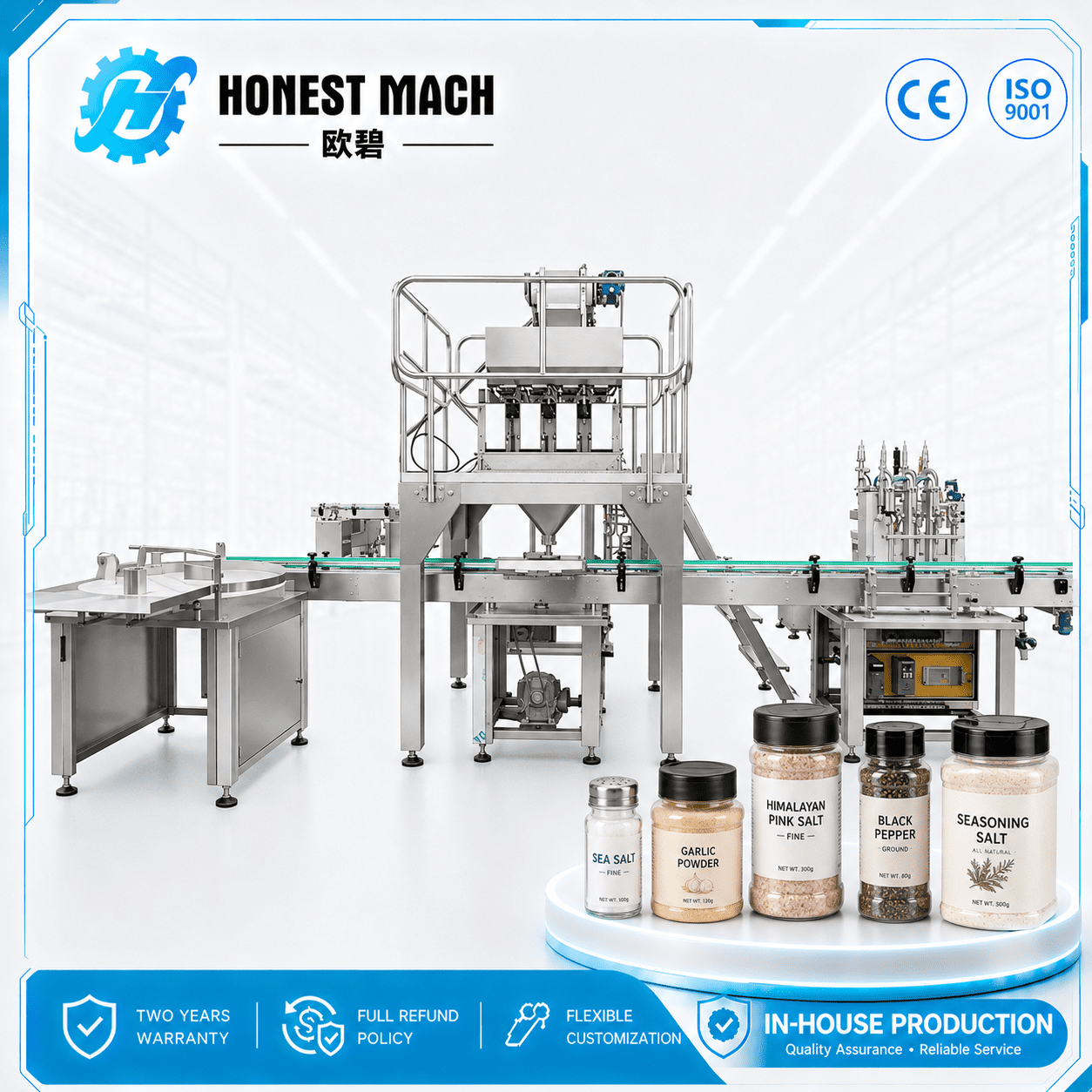
This automatic glass bottle salt filling machine is designed for accurate weighing and filling of edible salt, table salt, sea salt, Himalayan salt, crystal salt, sugar, seasoning granules and other free-flowing granular products into glass bottles, plastic bottles and rigid containers.
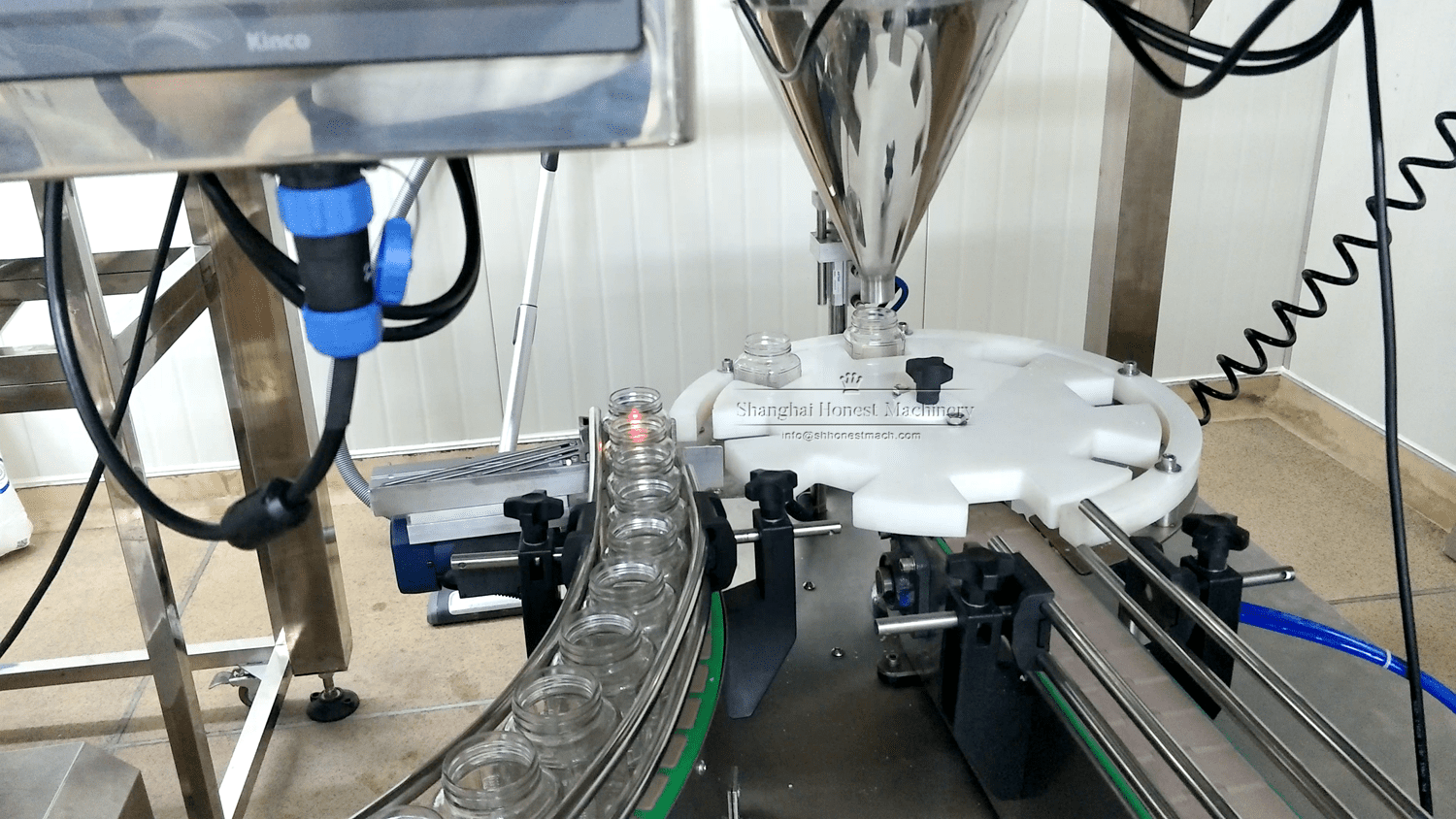
The machine can be configured with a multihead weigher, linear scale or measuring cup dosing system according to your salt particle size, target filling weight, bottle opening and production capacity. It helps improve filling accuracy, reduce product giveaway and keep stable filling weight during continuous production.
Key Advantages:
- Multihead weigher or linear scale dosing helps maintain stable filling weight for salt, sugar and seasoning granules.
- Suitable for glass salt bottles, plastic bottles, PET jars and other rigid containers with different bottle openings.
- Customized filling chute and bottle positioning help reduce salt residue around the bottle mouth before capping or sealing.
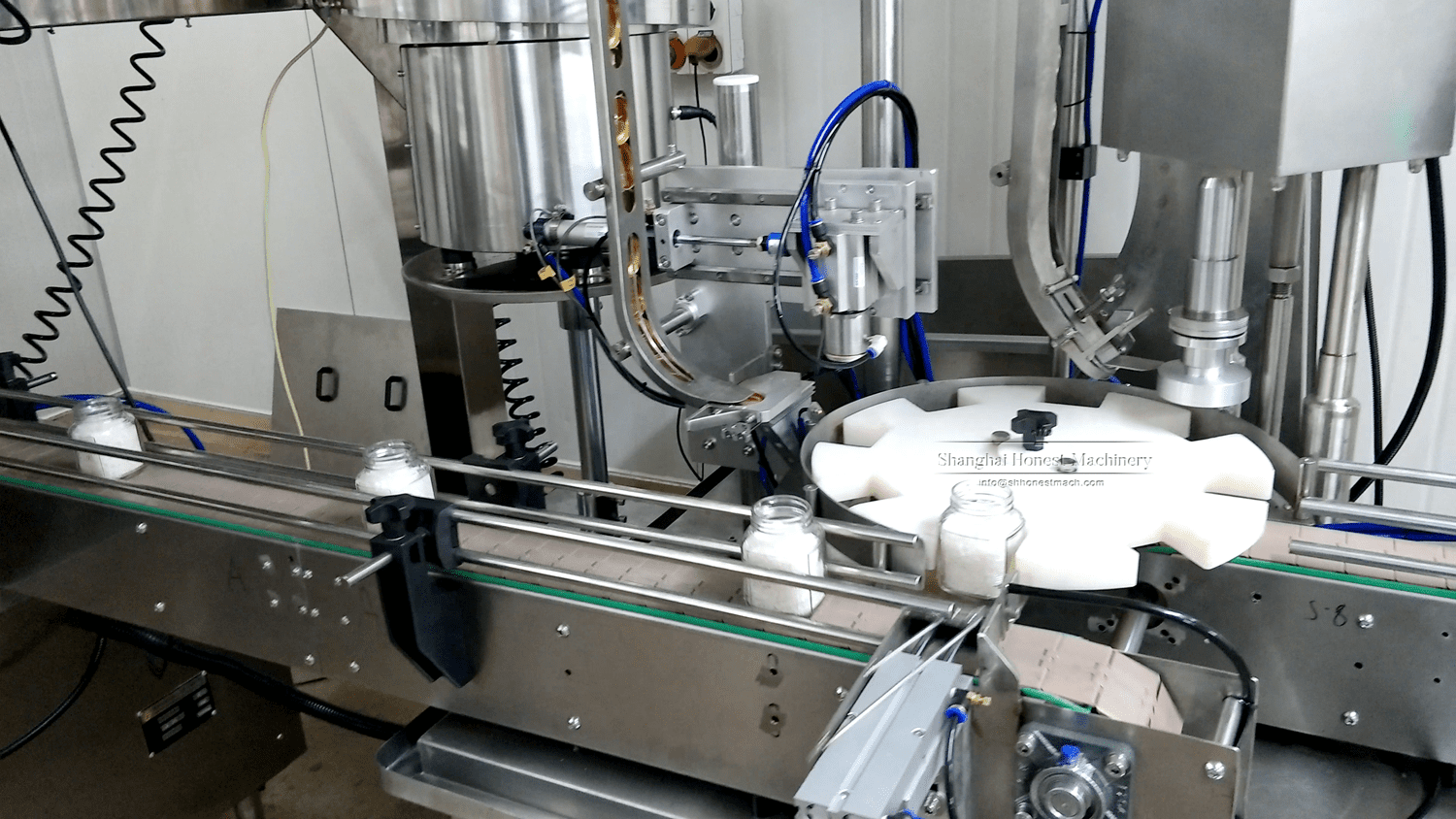
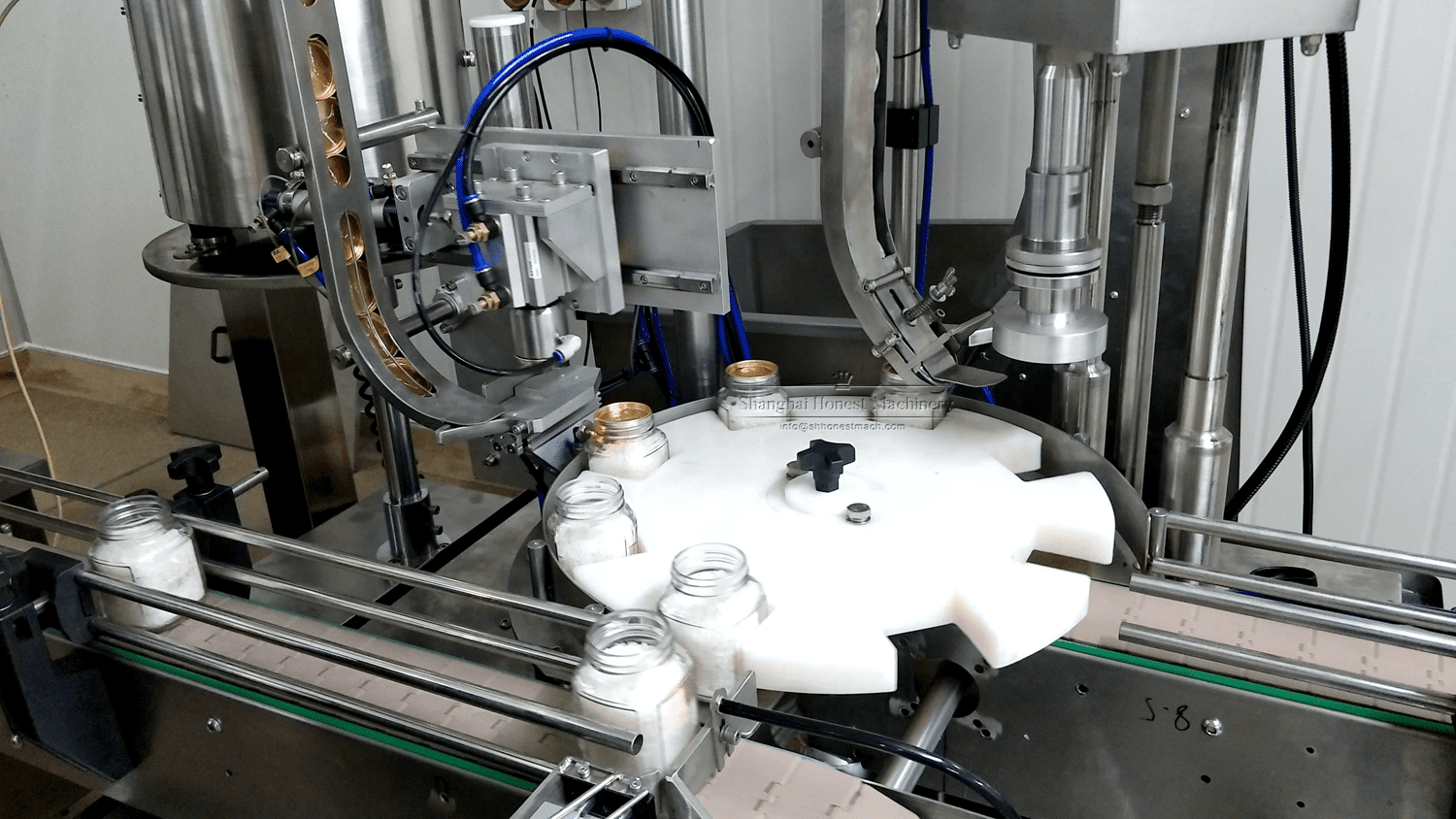
- Can work with sprinkler caps, shaker caps, screw caps, plastic caps and customized bottle closures.
- Optional hopper agitator, vibration settling and dust cover help reduce bridging, clumping and unstable feeding.


Working video:
What we can offer you?
-
100% Refund Policy
If the quality is poor or it can’t run your product, we guarantee a 100% full refund for your peace of mind
-
Two years warranty
Any equipment purchased from us comes with a two-year warranty.we provide free replacements and cover shipping for parts under 10kg damaged due to quality issues, not deliberate damage
-
Attentive after-sales service
We promise: all equipment purchased from us is backed by comprehensive after-sales service and lifetime benefits.
-
Timely production and delivery
We oversee the entire process from receiving samples to design and production, providing timely photos and videos to showcase the entire process to ensure the efficiency of equipment production and timely delivery
Parameter:
- Model: Automatic multi head weigher machine for glass jar salt
- Filling volume: 10-5000g(customized)
- Weigher filling heads: 4-16 heads for your optional(customized)
- Filling speed: 10-100BPM for your optional(customized)
- Filling method: Multi-head electronic scale for precise filling
- Filling accuracy: 10-100g≤±1%,100-1000g≤±0.8%(according to product and weight)
- Capping rate: ≥99.99%
- Power supply: Single phase 110V/220V,50/60Hz or three phase 380V/440V 50/60Hz(customized)
- Total dimension: 2450mm*1350mm*2050mm(customized)
Highlight:

1.Memory storage function of ten sets parameter for different product package changing
What you can get with our glass bottle salt filling machine

Related Products:

FAQ:
The correct dosing system depends on particle size, flowability, target weight and required speed.
A multihead weigher or linear scale is generally suitable for free-flowing crystal salt, sea salt and coarse seasoning granules. Fine, dusty or poorly flowing seasoning powders may require a servo auger filler, while a measuring-cup system may be considered for uniform products where moderate accuracy is acceptable.
For a line that will handle several products, the dosing module should be selected after testing the actual salt or seasoning samples. Shanghai Honest Machinery lists multihead weighing, linear weighing and measuring-cup dosing as configurable options, while other spice-filling systems commonly use servo augers for fine powders.
Salt can absorb moisture from the surrounding air, which may cause clumping, unstable feeding or material bridging inside the hopper. This problem is more likely in humid workshops or when the product remains exposed for long periods.
Depending on the product, the machine can use:
- An enclosed hopper or dust cover
- Hopper agitation
- Controlled vibration
- Steeper hopper walls
- Dehumidified air around the feeding area
- Shorter product exposure time
The product page specifically lists an optional hopper agitator, vibration settling and dust cover for reducing bridging, clumping and unstable feeding. Salt deposits can also attract moisture and create a concentrated chloride layer, so the hopper and product path should be kept clean and dry when production stops.
Salt crystals and seasoning granules contain air spaces immediately after filling. During conveying, handling and transport, the product settles naturally, so the visible level inside the jar may become lower even when the net weight is correct.
An optional vibration-settling station can compact the product before capping, producing a more consistent headspace and reducing the risk that customers think the container is underfilled. The vibration time and intensity should be adjusted using the actual glass jars because excessive vibration could increase bottle impact or cause mixed seasonings to separate by particle size. The current product configuration lists vibration settling as an available option.
The line can be configured for common salt and spice closures, including shaker caps, sprinkler caps, screw caps and other customized plastic caps. Each closure may require a dedicated cap feeder, chute, placing mechanism and tightening head.
Grinder caps or multi-piece shaker closures should be evaluated using physical samples because their shape and assembly method may differ significantly from ordinary screw caps. An induction sealing machine can also be installed after capping when the bottle uses a foil liner for tamper evidence and moisture protection.
Actual jars, caps and foil liners should be tested together to confirm cap orientation, tightening torque, foil compatibility and sealing quality.
Salt residue combined with moisture can increase the risk of localized corrosion on stainless-steel surfaces. The quotation should therefore specify the material grade for product-contact parts, surface finish, welding treatment and whether the machine will be exposed to humid washdown conditions.
For dry salt production, regular removal of residue and keeping the equipment dry are important. FDA guidance for low-moisture food production recommends equipment designs that facilitate dry cleaning whenever practical, while food-contact surfaces should be corrosion-resistant, smooth and easily cleanable.
Pure salt itself is not the main combustible-dust concern. However, when the same line processes spice powders, sugar-containing seasonings or other organic blends, a dust-risk assessment may be necessary. OSHA specifically identifies pulverized spices, sugar and starch among materials that may become combustible when dispersed as fine dust.
Let’s start this journey together!
Revolutionize your production with our bottling machines!Share your needs and we’ll be in touch with a tailored quote within 48 hours.
SEND BELOW INQUIRY
